
Consultant Angelos Angelou gave Lincoln's business leaders the bad news at a Chamber of Commerce breakfast in 2002: He gave them an F in leadership.
If they wanted Lincoln to move ahead, he said, some of them were going to have to step up.
Tom Henning remembers walking out of the meeting and thinking Angelou was probably right.
The seed was planted. Henning and a small group of top Lincoln executives, many of whom knew each other through the national Young Presidents Organization, eventually formed the nucleus that became the 2015 Visioning Group.
They pulled together projects from other planning documents done by the University of Nebraska-Lincoln, Lincoln Chamber of Commerce and city government to create what eventually became known as the 10 pillars.
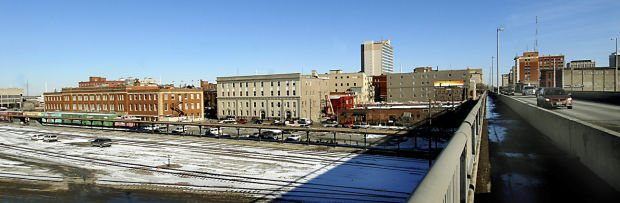
And they helped change the face of downtown Lincoln and likely the future of the city and the university.
People are also reading…
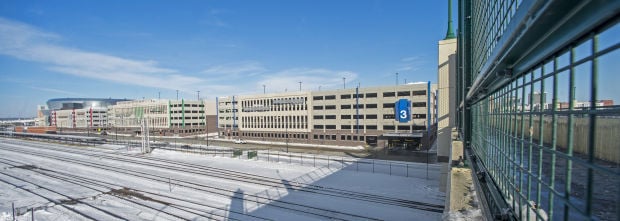
More than half of the 10 pillars are part of Lincoln's landscape today, and several others have seen significant progress.
The original 2015 Visioning Group was a who's who of university and Lincoln business leaders at the time: Marc LeBaron, chairman and CEO of Lincoln Plating; Terry Fairfield, president of the University of Nebraska Foundation; Tonn Ostergard, CEO of Crete Carrier Corp.; Roger Severin, chairman and CEO of Olsson Associates; Tom Smith, CEO of Smith Hayes Financial Services Corp.; Jim Abel, chairman of Nebco; Mike Dunlap, chairman and co-CEO of Nelnet; Henning, president and CEO of Security Assurity Life; Larry Arth, chairman and CEO of UNIFI Mutual Holding Co., which owned Ameritas Life and other insurers.
They put their time, talent -- and their own money -- into the plan and into specific projects.
They hired Lincoln attorney Kent Seacrest, who understood planning, the group process and Lincoln, as a consultant and as the early public face of Vision 2015.
And they invited the rest of Lincoln's civic and business community to join them.
Seventy names were on the Vision 2015 list when the plan went public in 2006. Eventually, more than 400 signed up as supporters.
The group didn’t cook up anything new, said Terry Uland, president of Downtown Lincoln Association. It picked projects from other plans, packaged and promoted them.
They breathed some life into projects that were gathering dust and needed someone to love them, said Wendy Birdsall, Lincoln Chamber of Commerce president.
"This is the most successful thing we've seen in this community since I moved here," said Deane Finnegan, who has followed government and civic life since 1977.
The active, local leadership was part of Vision 2015's success, she says.
"They pulled together a vision and held it up for the community to see. They were willing to put their own dollars into projects. They were willing to roll up their sleeves and do some of the work," said Finnegan, president of Leadership Lincoln.
Mayor Chris Beutler, who was elected soon after Vision 2015 released its 10 pillars, also credits local leaders.
Their involvement spurred confidence within the community to support it. That was more important than the money, at least in the case of the arena, he said.
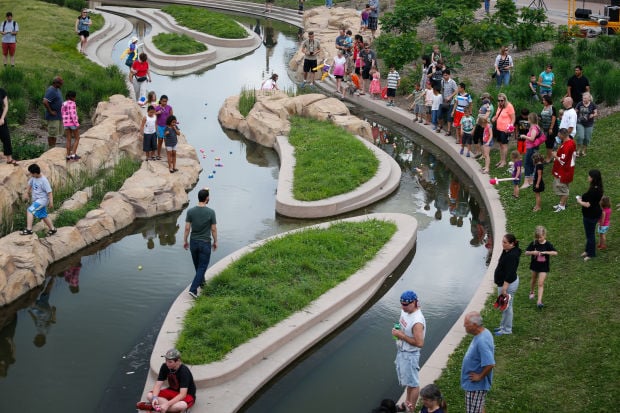
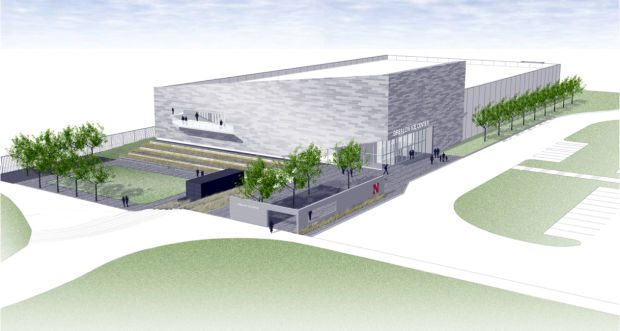
Local donations also helped. Donations related to 2015 Visioning Group helped with the Breslow Ice Hockey Center, Whittier school redevelopment, the UNL physics building, Union Plaza, Tower Square, early planning on Pinnacle Bank Arena, and a civic ventures fund with DLA that made loans available to help fund retail and restaurants on P and Q streets.
“Things happen when people or groups champion them and say, 'I’m going to make this happen,'" Birdsall said. "That is what they did.”
Lincoln's three major sectors -- the university, city government and business -- worked together on the plan, and Henning said that was instrumental to its success.
Early leaders also worked to draw in the rest of the community.
They drew more than 1,000 people to community conversations held by Leadership Lincoln and funded by Vision 2015.
Some of the projects likely would have happened anyway, said former Mayor Don Wesely.
"But I don't think the Pinnacle Bank Arena would have happened or as many projects would have happened without the private funding and the political cover provided when the city's corporate leadership backed the projects," he said.
The group wasn't 100 percent successful. Henning said he's still sorry the Nebraska State Fair did not stay in Lincoln instead of moving to Grand Island as part of a legislative decision to allow UNL to buy the former state fairgrounds.
But Beutler said Vision 2015 was instrumental in moving Lincoln forward.
With the calendar now reading 2015, it appears all of five pillars were accomplished and parts of another three were completed.
"That's a half-step from a miracle," Beutler said.

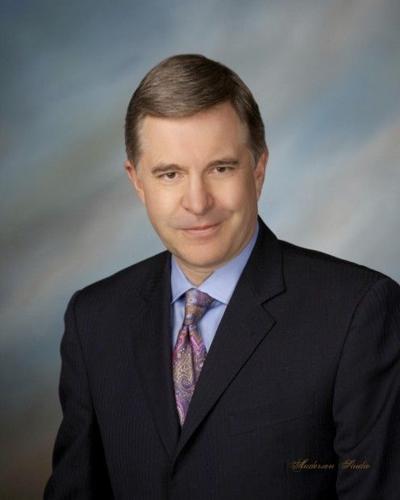
Tom Henning, CEO of Assurity Life
Reach the writer at 402-473-7250 or nhicks@journalstar.com. On Twitter @LJSNancyHicks.
Nancy Hicks
Reporter