


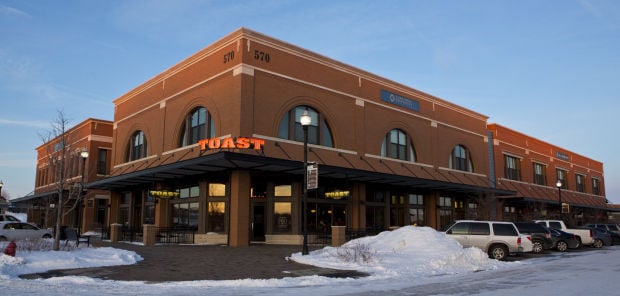
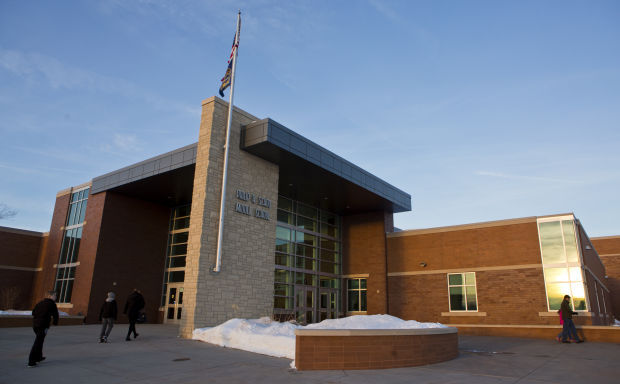
Since Tom Dobbe and his wife moved to Fallbrook in 2006, the neighborhood has added two restaurants, a grocery store and a bank. There’s also the new YMCA and new middle school. A new day care and two new buildings in the Town Center.
“It’s really a booming environment around there,” said Dobbe, president of the Fallbrook Homeowners Association.
The neighborhood's architecture, location and beauty drew the couple from Kearney.
Fallbrook comprises 700 acres of residential and commercial development and 11 miles of trails in northwest Lincoln. Between 750 and 800 people live in the planned community that dates back to 2001.
Its commercial development, including medical care and street-style shopping, employs about 1,300, according to Bob Caldwell, who oversees corporate development for NEBCO Inc., the site’s developer.
People are also reading…
The neighborhood northwest of U.S. 34 and First Street provides convenient access to Interstate 80 and the Lincoln Airport and it's a short drive downtown, Dobbe said. It suits a lot of people who have to travel or who work at the University of Nebraska-Lincoln, downtown or commute to Omaha, he said.
But what really sets the neighborhood apart, Caldwell and Dobbe said, is the architecture.
“It is unlike any other housing community in the city of Lincoln, and probably the state of Nebraska,” Dobbe said. “Fallbrook is really unique.”
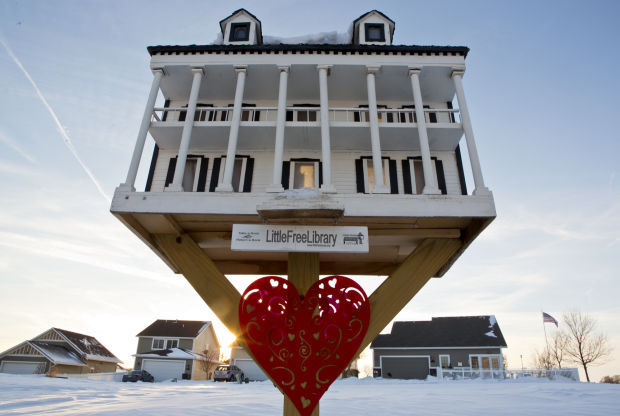
The neighborhood’s homes are designed by architects “with an emphasis on substance, character and detail,” according to the development’s website. Fallbrook has extensive design codes and covenants with which builders must comply.
Certain architectural features aim to foster a closer-knit community. The placement of the homes’ garages encourages residents to walk places and spend time in their front yards and on their porches, said Jayne Debus, a project manager for NEBCO who oversees the neighborhood. Garages aren’t the focal point of houses. They’re minimized, she said, often placed off of alleys.
Fallbrook buildings’ designs are tightly controlled, which Dobbe thinks is why the development has managed to maintain high architectural standards. It also offers a variety of housing options, he said.
“You can come into Fallbrook at an entry level and live in Fallbrook your whole life,” he said.
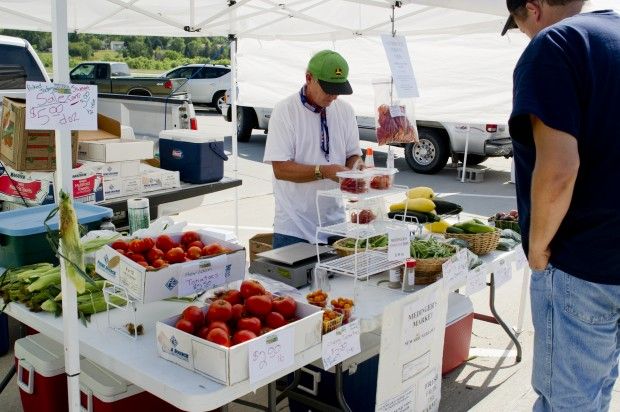
Fallbrook’s website describes its Town Center as “the very heart and soul” of the neighborhood. The downtown-like commercial hub is home to a farmer’s market in the warmer months.
The Fallbrook MarketPlace, which is home to a Super Saver, is another mixed-use commercial development in the neighborhood. The area's business park includes employers Ameritas Life Insurance Corp., Bryan Health, Farm Credit Services of America and Gallup.
“It’s like a little town on its own, and we’re getting so many new things out here,” said Debus, who’s lived in Fallbrook for about 10 years.
Residents can walk just about anywhere, and they do, she said. That’s another reason Fallbrook is different from other neighborhoods. You see people walking to restaurants, playing with their kids, talking to friends.
“You’re in a community instead of just living in a house and not knowing the neighbors,” Debus said.


